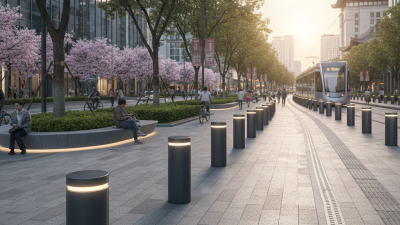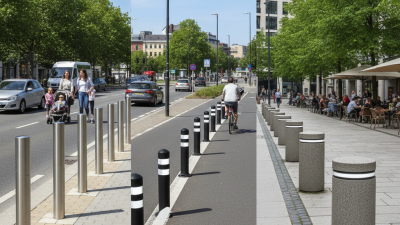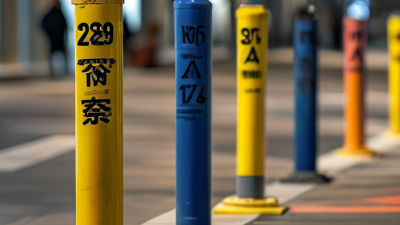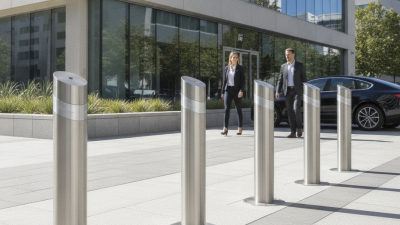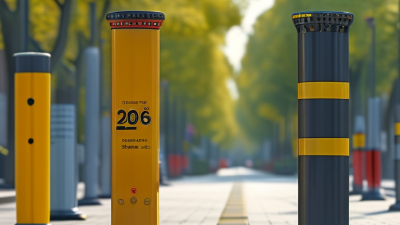
Choosing the right Parking Bollards in 2026 requires more than comparing prices or polished product photos. A busy hotel entrance needs different protection from a private driveway, loading bay, or pedestrian plaza. Fixed steel bollards can provide dependable perimeter security. Removable models offer controlled access during events or deliveries. Automatic retractable bollards add convenience, but they require power, drainage, maintenance, and careful installation. Every option has trade-offs.
Real-world performance depends on details that catalogues often simplify. Check impact ratings, steel thickness, foundation depth, visibility, corrosion resistance, and warranty terms. Ask whether testing was completed by an independent laboratory. Confirm that the design suits local accessibility, fire-safety, and planning requirements. These rules vary by location. Do not treat a generic product description as professional approval. Small mistakes matter. A poorly positioned bollard may block a wheelchair route, damage vehicles, or create a trip hazard. I have seen attractive installations fail because drainage was ignored or maintenance access was too narrow. That is not a product defect alone; it is often a planning failure. This guide compares the best types of Parking Bollards to buy in 2026, using practical conditions, verified specifications, and long-term operating costs. No single model wins everywhere. The right choice should protect people, guide traffic clearly, and remain dependable after years of rain, impact, and daily use.
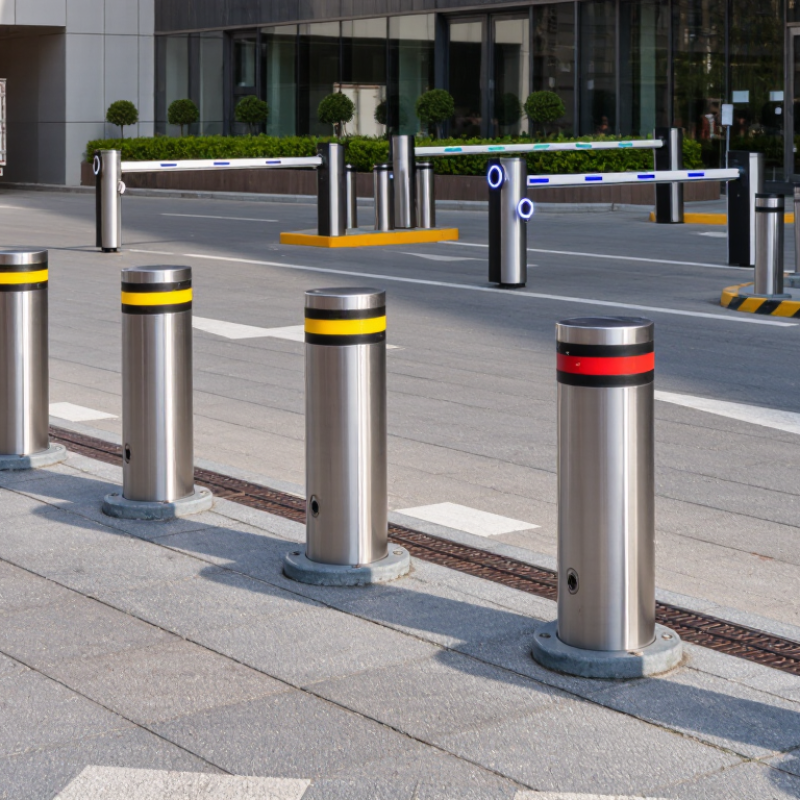
Parking bollards are short, sturdy posts that control vehicle movement and protect people, buildings, and equipment. They can separate parking spaces, mark pedestrian zones, or stop cars from reaching vulnerable areas. Their effectiveness depends on placement, spacing, material, and resistance to impact.
Fixed bollards are anchored into concrete and provide reliable, permanent protection. Removable models use sockets, allowing authorized access when needed. Fold-down bollards work well for private driveways or restricted parking areas.
Flexible posts may guide traffic, but they offer limited protection against heavy vehicles. Automatic rising bollards add controlled access, although they require power, maintenance, and professional installation.
Placement matters more than appearance. A bollard should remain visible at night and leave enough room for wheelchairs, strollers, and maintenance vehicles. Reflective bands, contrasting colors, and suitable lighting improve recognition.
I have seen poorly spaced posts create new hazards for pedestrians. That detail is easy to miss.
Before buying, check the expected vehicle impact, ground conditions, drainage, and local access requirements. A qualified installer can confirm foundation depth and safe spacing.
Product ratings also need careful reading, since test conditions may not match a real parking lot. Bollards are not a complete security plan. Cameras, lighting, signs, and regular inspections may still be necessary. Salt, standing water, and repeated minor impacts can weaken installation over time.
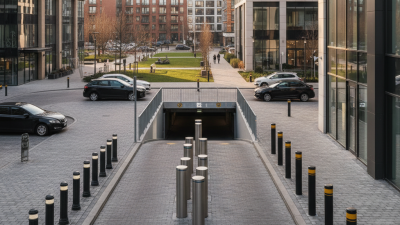
Choosing parking bollards starts with the site, not the product photograph. A busy retail entrance needs different protection than a private driveway. Fixed steel bollards provide strong, continuous separation around doors, corners, and pedestrian zones. They suit areas where vehicles must never enter. Their anchored posts can resist repeated impacts when installed in suitable concrete foundations. They are simple.
Removable bollards work well when access must change during deliveries or events. Staff can unlock and lift them from ground sockets. This option keeps service lanes flexible without leaving exposed hardware. Fold-down bollards offer another practical choice for reserved spaces. They are convenient, but hinges and locks need regular cleaning. Dirt can make a well-designed unit unreliable.
Automatic rising bollards support controlled vehicle access at entrances and restricted parking areas. They require power, drainage, sensors, and professional maintenance. Manual operation should remain available during equipment failure. Flexible polymer bollards suit low-speed guidance and visibility rather than serious impact protection. Bright surfaces and reflective bands help drivers notice them at night.
I have seen layouts focus too much on strength and overlook pedestrian movement. That mistake can create awkward turning paths and blocked walking routes.
Check sightlines, foundation depth, lighting, accessibility needs, and local installation requirements before buying. A small test area can reveal problems that drawings miss.
2026 Best Types of Parking Bollards to Buy?
Choosing a parking bollard starts with material, not appearance. Steel offers strong impact resistance and suits busy entrances, loading areas, and public car parks. Stainless steel resists corrosion better, especially near coastal air, but usually costs more. Cast iron provides a traditional look, although its weight can complicate installation and replacement.
Design should match the site’s daily risks. Fixed bollards provide dependable protection around doors, corners, and pedestrian routes. Removable models help when emergency or maintenance access is necessary. Folding bollards suit private parking spaces, but hinges can collect dirt and need regular checks. Automatic versions improve convenience, yet they require reliable power, drainage, and professional servicing. Fit matters.
Visibility is easy to underestimate. Reflective bands, contrasting colors, and built-in lighting help drivers notice bollards at night or in rain. Check the diameter, height, spacing, and impact rating before ordering. A taller post is not always safer if it blocks sightlines or creates a trip hazard. Anchoring also matters; weak concrete can defeat a strong bollard. My own design preference changed after seeing a well-finished post become difficult to clean around its base. Choose smooth surfaces where possible, and inspect welds, locks, hinges, and drainage points. No option is maintenance-free.
Representative dimensions commonly specified for commercial parking bollards. Actual sizes, impact ratings, and installation requirements vary by site conditions and local standards.
How to compare: Fixed steel bollards generally provide the highest permanent protection. Removable models offer controlled vehicle access, retractable bollards preserve pedestrian clearance when lowered, and flexible polyurethane bollards are suited to visibility and low-impact guidance rather than high-security protection.
2026 Best Types of Parking Bollards to Buy?
Choosing the right bollard starts with the parking area, not the product catalog. Map vehicle paths, pedestrian crossings, doors, ramps, and emergency access points. A short steel bollard may guide traffic, while a deeper foundation provides stronger impact resistance. ASTM F2656 testing compares vehicle barriers by impact performance and penetration distance. Use tested ratings, not appearance alone.
Visibility matters during rain, dusk, and reversing movements. NHTSA’s Traffic Safety Facts 2022 recorded 7,522 pedestrian deaths in the United States. High-visibility reflective bands, contrasting colors, and suitable lighting can help separate people from vehicles. However, shiny finishes may create glare. This detail is easy to overlook. Fixed bollards suit predictable traffic lanes, while removable or collapsible types support temporary access. Flexible models can reduce damage during low-speed contact, but they may not protect buildings effectively.
Check spacing against pedestrian flow and accessible routes. The U.S. Access Board requires accessible routes to maintain clear passage, so crowded bollard layouts can create problems. Measure turning radii for delivery vehicles before installation. For parking structures, confirm drainage, slab depth, corrosion exposure, and maintenance access. A vehicle-rated barrier is unnecessary for every location. Over-specification increases cost, while weak protection can fail at the doorway. Ask an independent engineer to review the site, local requirements, and the manufacturer’s test documentation before purchase.
| Bollard Type | Typical Material | Typical Height Above Ground | Typical Diameter or Width | Best Parking Application | Main Advantages | Limitations | Installation and Maintenance |
|---|---|---|---|---|---|---|---|
| Fixed Steel Bollard | Galvanized or powder-coated steel | 900–1,200 mm | 100–220 mm | Perimeters, pedestrian walkways, storefronts, and parking bays requiring permanent protection | Strong, highly visible, relatively simple, and suitable for continuous vehicle-exclusion protection | Cannot be moved; foundation work is required; standard models may not be crash-rated | Core drilling or concrete footing is commonly required; inspect coatings and bases for corrosion or impact damage |
| Removable Bollard | Steel, stainless steel, or aluminum | 750–1,200 mm | 76–168 mm | Service entrances, emergency access routes, event areas, and parking spaces that need occasional vehicle access | Provides flexible access while retaining a strong physical barrier when installed | Requires secure storage and regular removal; sockets can collect water, dirt, or debris | Install a ground socket with drainage where needed; lubricate locks and check socket alignment |
| Locking Fold-Down Bollard | Galvanized steel or painted steel | 500–900 mm | 60–100 mm post width | Reserved parking spaces, driveways, residential parking areas, and low-speed access control | Quick manual operation and convenient storage without removing the post | Hinges and locks can be vulnerable to misuse; generally not intended for high-speed impact protection | Surface-mounted or anchored to concrete; inspect hinges, fasteners, locks, and reflective markings |
| Automatic Retractable Bollard | Stainless steel or coated steel | 500–900 mm when raised | 140–275 mm | Controlled parking entrances, private facilities, restricted loading zones, and access-managed sites | Remote or programmed operation, controlled access, and a clear surface when retracted | Higher purchase and installation cost; requires power, drainage, controls, and planned servicing | Requires below-ground housing and electrical or hydraulic work; inspect seals, drainage, sensors, and controls |
| Flexible Impact Bollard | Polyurethane, recycled polymer, or flexible plastic | 450–1,000 mm | 80–200 mm | Traffic lanes, parking aisles, corners, pedestrian guidance, and temporary hazard marking | Reduces vehicle and bollard damage during low-speed contact; lightweight and easy to install | Does not provide substantial physical stopping force; may degrade from ultraviolet exposure or repeated impacts | Usually surface-mounted or socket-mounted; replace when cracking, leaning, or loss of flexibility occurs |
| Concrete-Filled Steel Bollard | Steel tube filled with concrete | 900–1,200 mm | 100–220 mm steel tube diameter | High-risk parking perimeters, utility areas, loading zones, and locations needing robust passive protection | More resistant to deformation than a hollow post and suitable for heavy-duty passive protection | Heavy, difficult to replace, and not automatically equivalent to a certified crash-rated system | Requires a properly engineered concrete foundation; inspect welds, coatings, and signs of foundation movement |
| Decorative Bollard | Cast iron, stainless steel, aluminum, or coated steel | 600–1,100 mm | 100–300 mm | Public-facing parking areas, landscaped zones, commercial entrances, and streetscape projects | Improves visual appearance while defining pedestrian and vehicle boundaries | Appearance-focused models may offer limited impact resistance; ornate surfaces can increase cleaning needs | Choose surface or in-ground installation according to the site; inspect finishes and anchoring points |
| Crash-Rated Security Bollard | Engineered structural steel, often with reinforced foundations | 750–1,200 mm | 168–355 mm or an engineered rectangular profile | Critical building entrances, high-security parking areas, government sites, and locations with documented vehicle-threat assessments | Designed and tested for defined vehicle-impact conditions when the complete system is correctly installed | Highest cost and greatest foundation requirements; certification depends on the tested product, configuration, and installation | Use an engineer and verify an applicable impact-test standard, vehicle class, speed, penetration distance, and foundation design |
Choosing a parking bollard starts with the site, not appearance. Fixed steel bollards suit permanent protection near entrances and loading areas. Removable models work better where emergency or service access changes regularly. Retractable units offer stronger control, but they need reliable drainage and scheduled servicing. Flexible posts can guide drivers, although they may not stop a heavy vehicle.
Installation quality affects safety more than many buyers expect. A qualified contractor should check underground utilities, soil conditions, drainage, and the required foundation depth. Bollards should not narrow accessible routes or block ramps. Their spacing must control vehicles without creating a trip hazard. A common mistake is installing protection too close to a doorway. It can restrict movement during an evacuation.
Visibility deserves attention during rain and at night. Use contrasting colors, reflective bands, or approved lighting where local rules allow them. Keep reflective surfaces clean. Dirt reduces recognition quickly. Maintenance should include checking loose anchors, corrosion, damaged coatings, and water inside retractable housings. Inspect high-impact areas more often. I would not assume a thick post is automatically safer; poor placement can create new risks. Legal requirements vary by location and property type. Confirm permits, fire access rules, accessibility standards, and any required impact-performance ratings with the relevant local authority. Record inspections and repairs. That simple habit supports safer decisions.